Your agent’s own live desktop.Paid by the second.
It answers a 402, gets a real desktop to open applications on and a browser that gets through the blockers, and pays in HBAR or USDC on Hedera from its own account. No signup, no API key, no card.
$ npx skills addakash-mondal/kleeto-skillWorks with Claude Code, Codex, Cursor and dozens more agents.
Give it the machine the job needs.
Each box is a real recording of an agent at work. It opens on the prompt the agent was given, then shows what it did about it.
Cloud Browsers
For the sites that never shipped an API. Your agent fills in portals, signs in on a user's behalf and reads pages back, in real Chrome on a CDP endpoint.
Explore browsersabout 1 s to spin up
Computer Desktops
A live screen your agent drives and you can watch. Blender, LibreOffice, a file manager, anything that expects a desktop.
Explore desktops1.3 s to spin up
Bare Machines
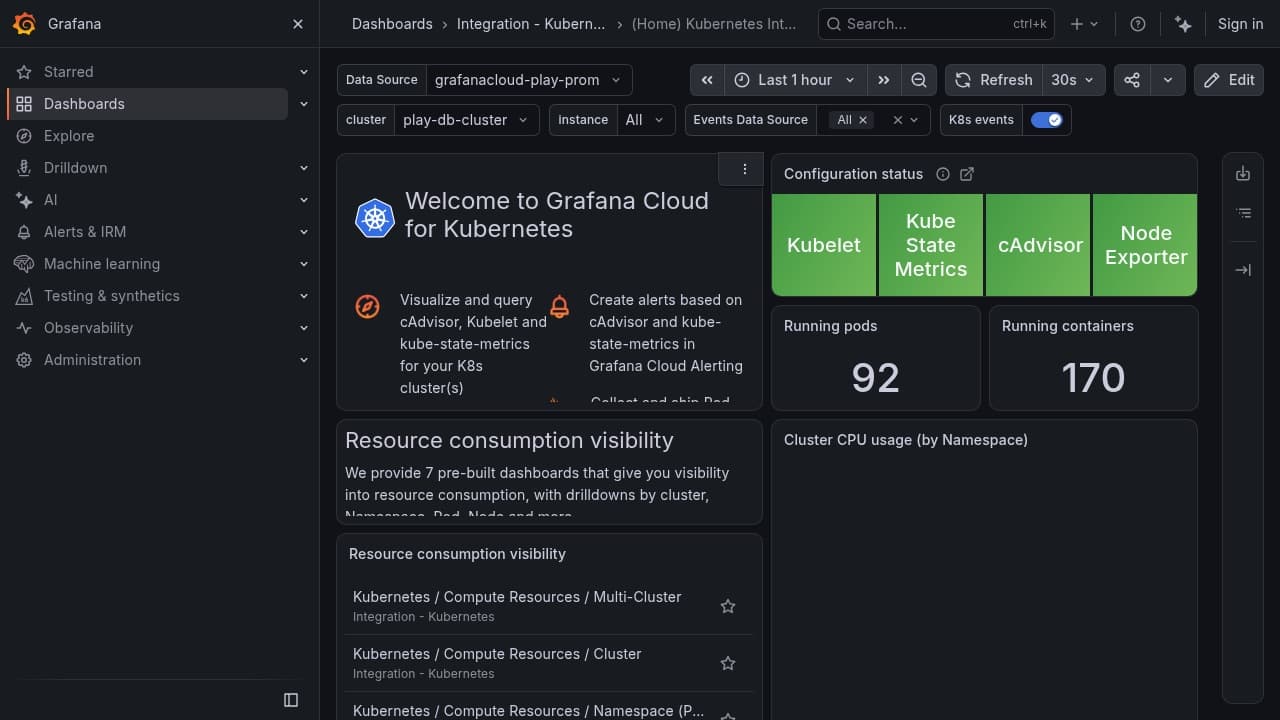
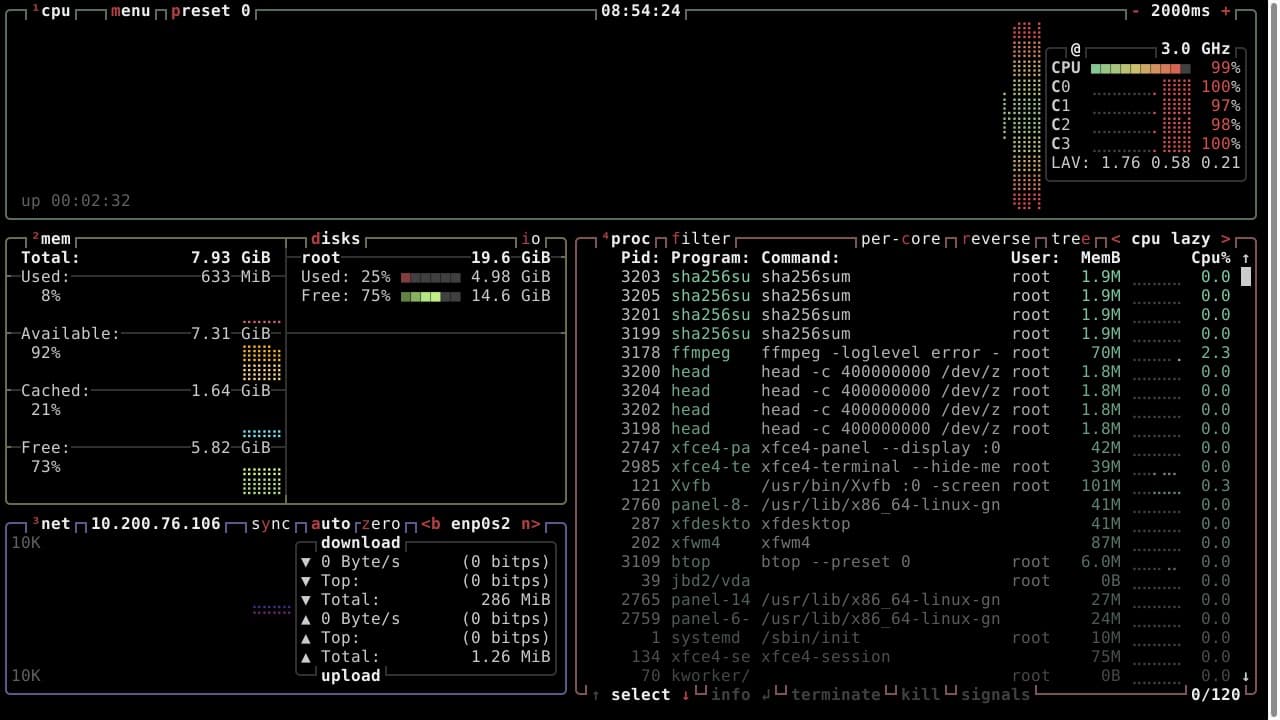
No screen, just compute. Renders, builds, servers and long jobs, with every core in view while they run.
Explore machines0.75 s to spin up
Rent only what the job needs, by the second.
A browser for a form, a machine for the heavy pass, a desktop when the app has no API. Whichever you take, the price per second comes back in the 402, your agent pays it in HBAR or USDC, and Hedera settles it.
desktop-2
A full Linux desktop
Xfce with Chrome, LibreOffice, a file manager and a terminal. Your agent clicks, types and reads the screen. You can watch it live, or take the mouse yourself.
2 vCPU · 4 GB · 20 GB disk · 1280×720 · VNC
$0.148 / hr
10 min ≈ 2.5¢
boot
1.3 s
browser-fast
A real browser
Chrome on a CDP endpoint, headless or headful. Playwright and Puppeteer connect to it unchanged.
Chrome · CDP · screenshots · recording
$0.11 / hr
10 min ≈ 1.8¢
boot
~1 s
machine-2
A machine to do the heavy part
Headless Linux with a shell, a stateful Python REPL, volumes and a public preview URL. Install what you need, then render, build or serve.
1–8 vCPU · 2–16 GB · 10 GB disk
from $0.062 / hr
10 min ≈ 1.0¢
boot
0.75 s
It runs what you already run.
The desktop and the machine are ordinary Linux. The tools your team already uses install and run the way they do everywhere else.







apt, pip and npm work · bring your own image · nothing here is a shim
The apps your agent needs are already open.
Real applications on a real screen, driven by mouse and keyboard. Rented by the second and paid for out of the agent's own balance, in HBAR or USDC.
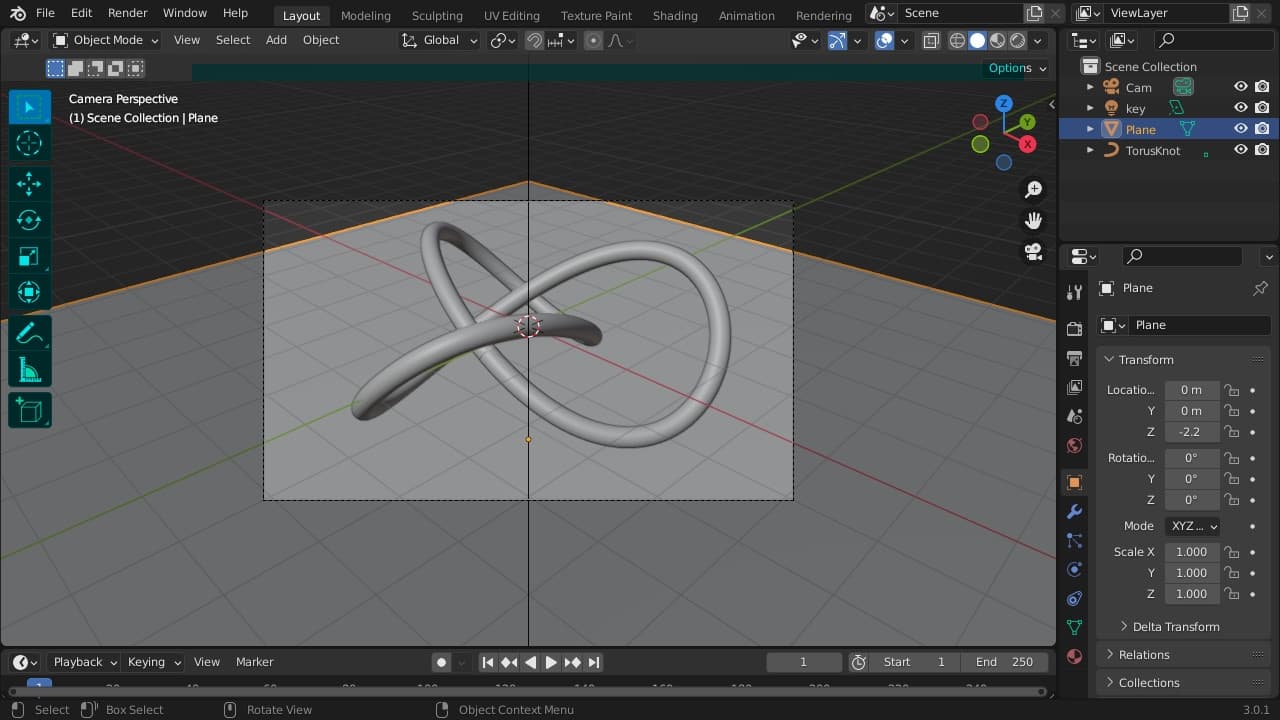




Blender has no API. The agent drives the real application with mouse and keyboard, then reads the result off the screen.
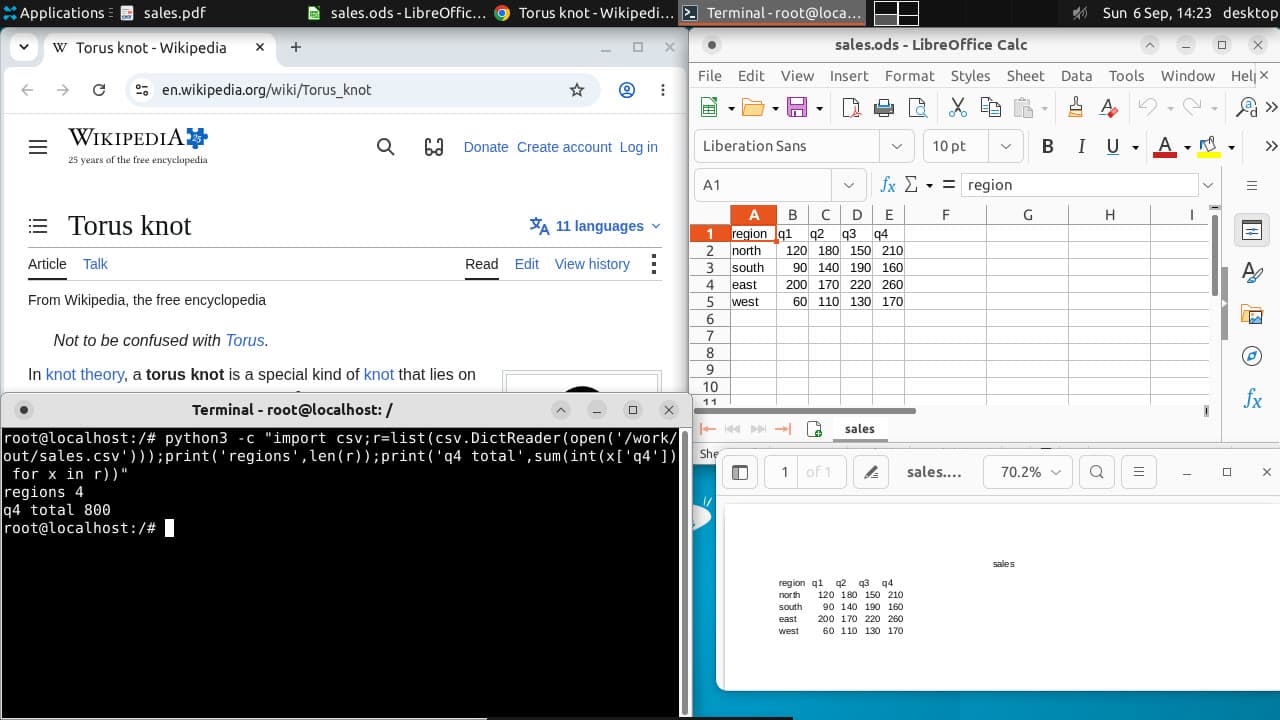
Four apps, one meter
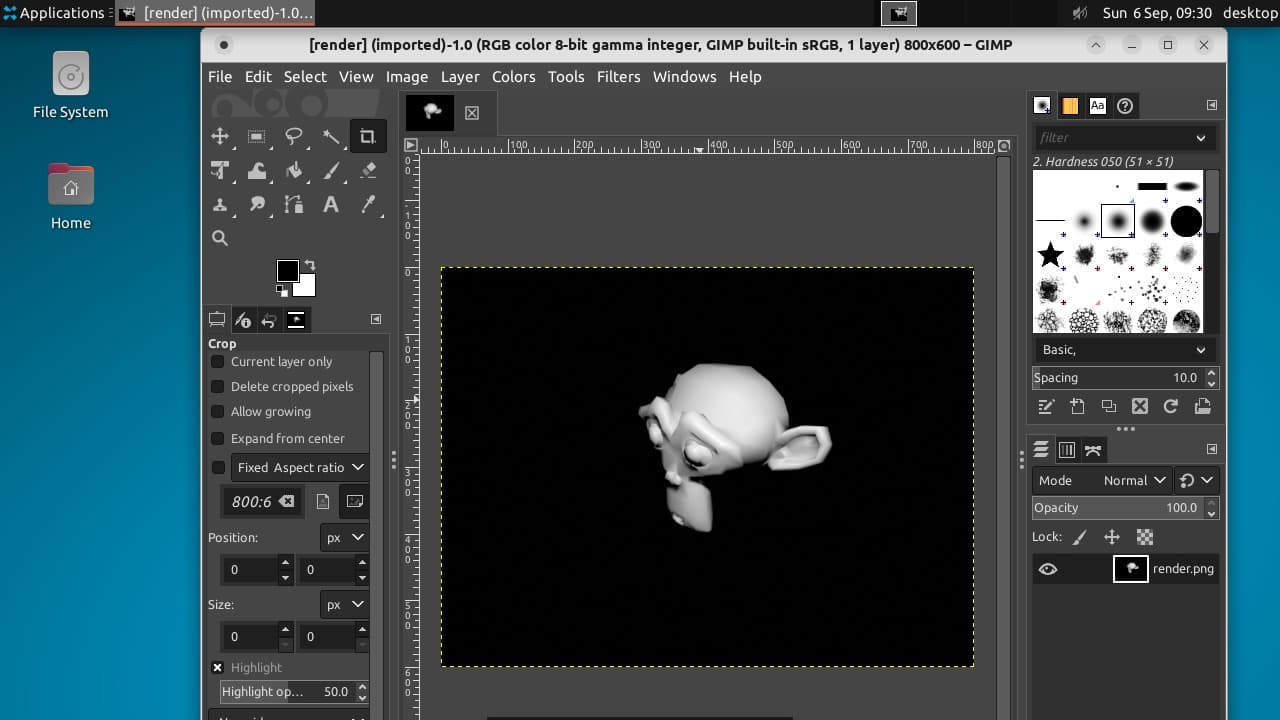
The agent reads the page, edits the sheet, runs the number in a shell and opens the export. Apps with no API still get used, and the whole job bills as a single lease.
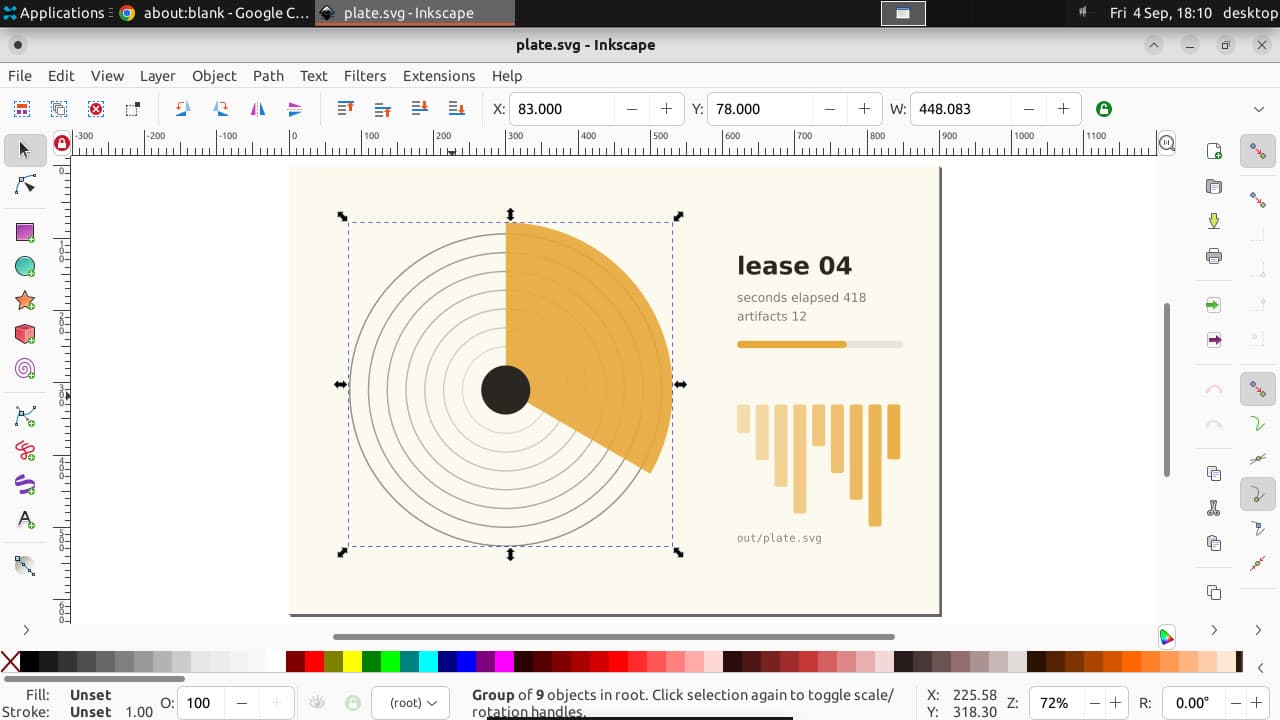
Boot with your tools already installed
Install once, snapshot the desktop, then start copies of it whenever work arrives. This one came up with Inkscape open on the file. You never pay for the same setup twice.
A browser that behaves like a person's.
Real Chrome, not a scraper. For the parts of the web that never shipped an API, metered by the second like every other lane.
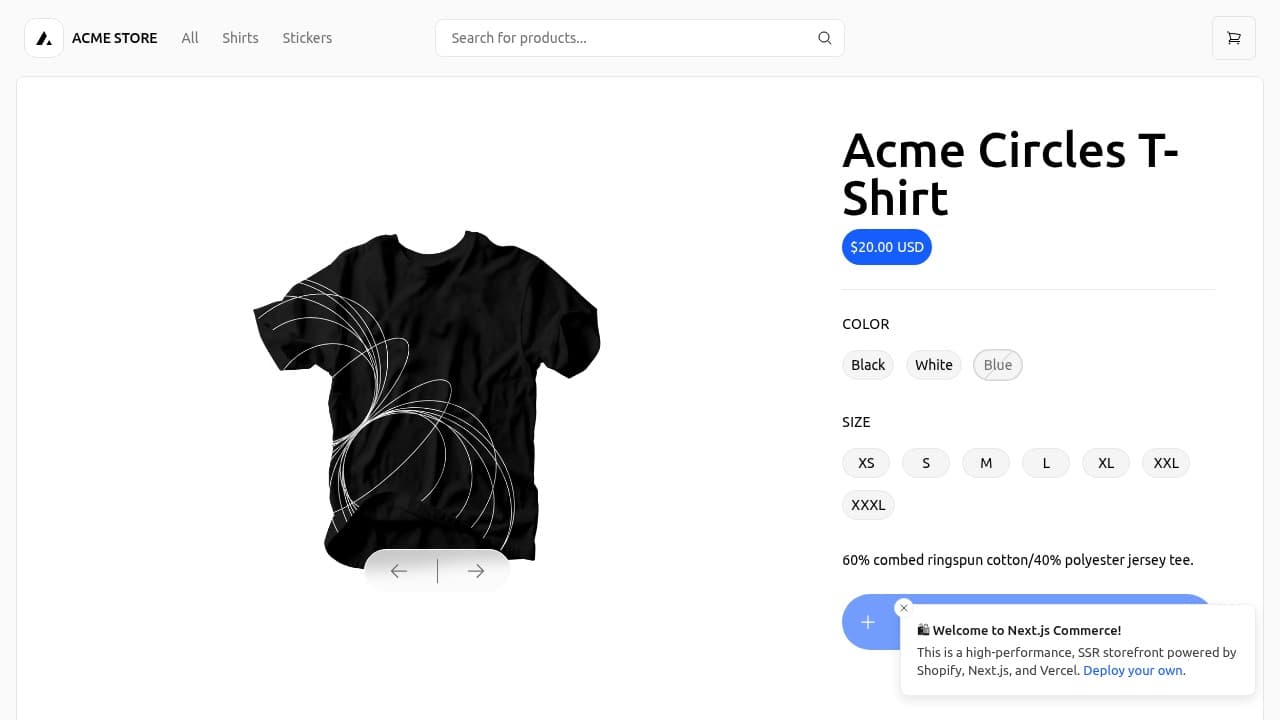
Checks a price like a customer would
A real Chrome on a real storefront: open the product, read the price, check which sizes are in stock. Nothing is faked at the network layer.
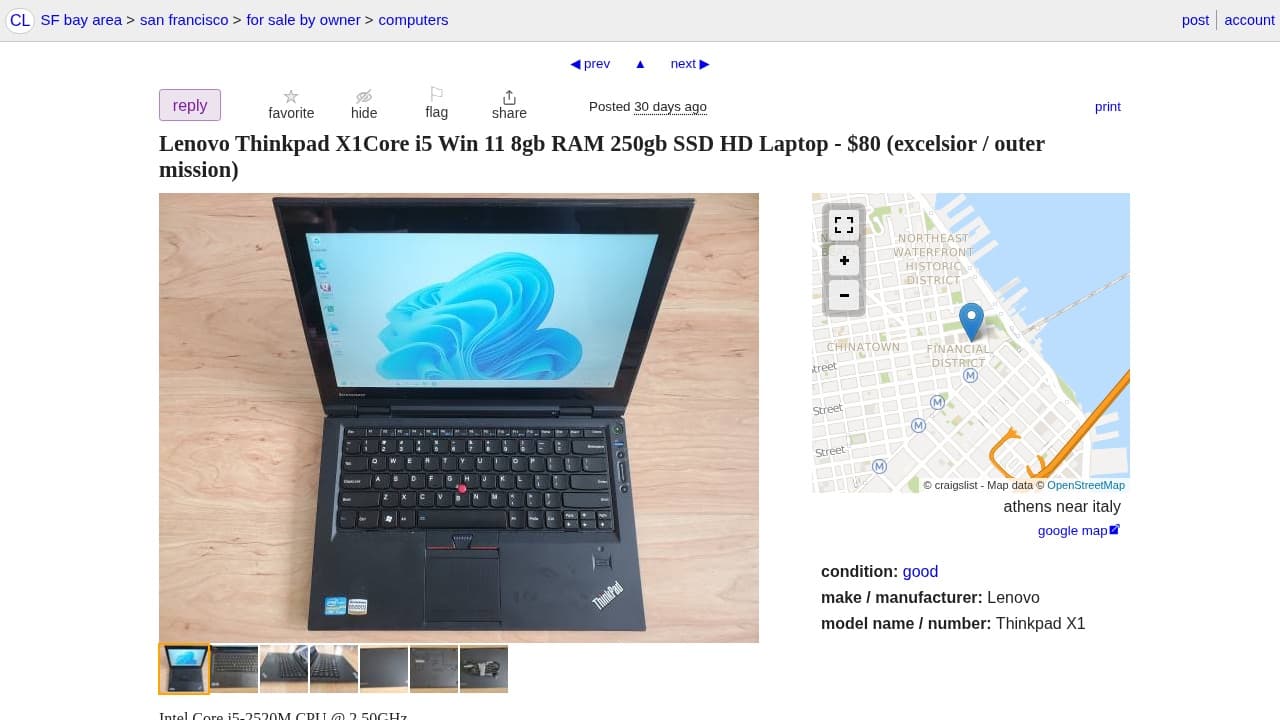
Works a marketplace
Classifieds have no API at all. Your agent reads the asking price, the condition and where the seller is, then decides whether it is worth an offer.
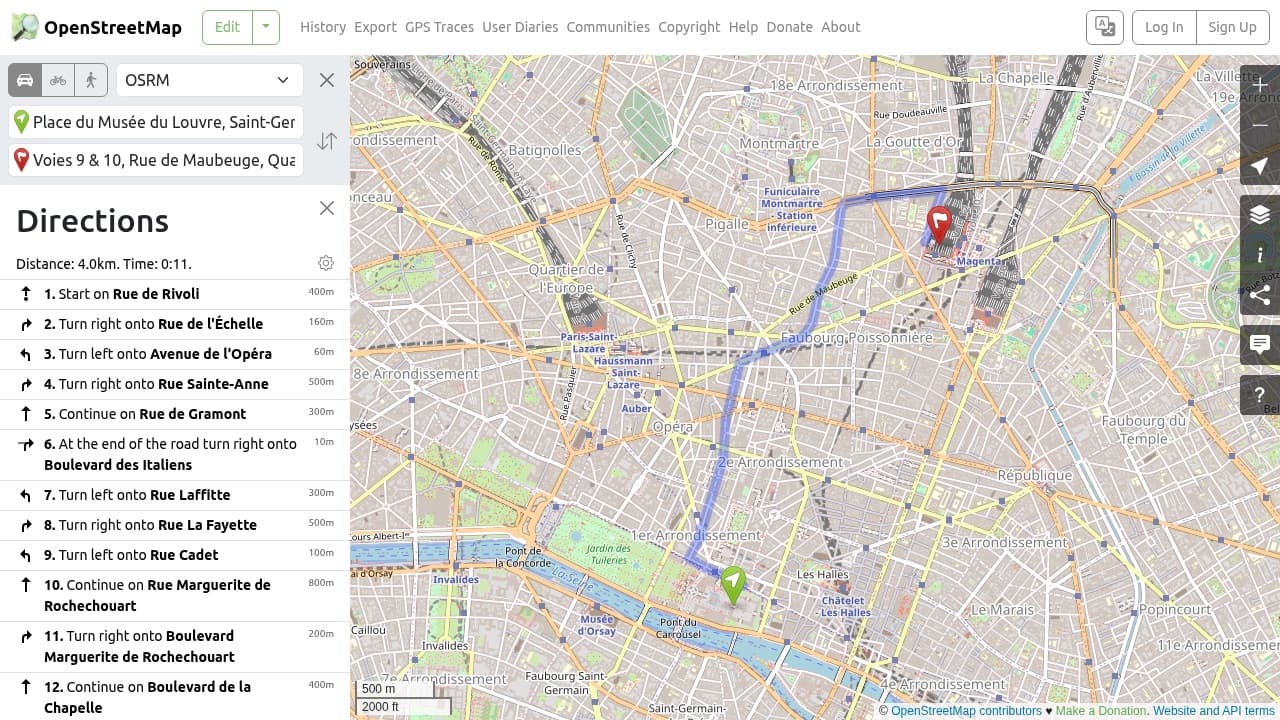
Works a map
Plan a route, read the turn-by-turn back and hand the result on. A window you can watch, and step into when it stalls.
Four moves, and the machine is yours.
Kleeto speaks the x402 payment standard. One HTTP exchange quotes a machine, pays for it and opens it, settled in HBAR or USDC on Hedera. Neither side needs an account.
- 01
POST /v1/leases { lane: desktop-2 }
The agent asks for a machine
No account, no key, no card. Just a request for a lane.
- 02
402 Payment Required
Kleeto answers with a price
The x402 challenge carries the rate per second, the assets it accepts and the network. One rate for that lane, fixed for the whole lease.
- 03


X-PAYMENT: <signed>
The agent signs and asks again
It pays in HBAR or USDC, whichever it holds, from its own funded account. The facilitator submits the transaction and covers the gas, so your agent holds only what it means to spend.
- 04

200 OK · lease open
Hedera settles and the meter starts
Final in seconds, at fees quoted in USD. The meter charges every second the machine is held, and stops the moment your agent hands it back.
Fund it once. It rents the rest.
Your agent holds its own HBAR or USDC on Hedera and answers each 402 itself. There is no Kleeto account, no API key and no card on file.
The bill is on a public ledger.
Every second the machine runs is a hash-chained checkpoint, and the head of that chain is written to a public Hedera topic every minute and when the machine is handed back. Anyone can recompute the bill from Hedera's mirror node. No key, no account, nothing to ask us for.
- written to
- HCS topic 0.0.10454763
- a chain head every minute and at close, about $0.00025 each
- settled in
- HBAR or USDC
- on Hedera, final in seconds, fees quoted in USD
- recomputed from
- GET /v1/leases/:id/proof
- every second's hash, checked against the topic
- lease
- ls_UgEORVjOD72i
- lane
- machine-1
- first tick
- 2026-09-11 18:36:54Z
- seconds
- 8
- rate
- 23,061 tinybar/s
- tinybar
- 184,488
- paid in
- USDC over x402
- genesis
- 005b3f…5e1df0
- chain head
- c6a453…588eeb
hcs topic 0.0.10454763 · seq 4
each second: sha256(prev|seq|leaseId|tinybar|at)
Check it without asking us
- 01Recompute the chainThe proof lists every second the machine ran. Hash each one over the one before it, starting from the genesis. Rate times seconds is the bill.
- 02Read the topic from the mirror nodeThe proof names the HCS topic. Hedera's mirror node serves its messages to anyone, with no key and no account.
- 03Match the headsEvery head on the topic must equal your hash at that second. Change one second anywhere and none of them do.
The mirror node is public, and the proof carries the topic it wrote to.
About the rail. Plain answers.
x402 is the HTTP payment standard: you ask for something, the server answers 402 Payment Required with a price, you sign a payment and ask again. Kleeto puts a per-second rate for the lane in that challenge. Your agent signs it, the machine opens, and the rate is fixed for the whole lease.
Per-second billing needs fees that do not move and settlement that does not wait. Hedera's fees are quoted in USD from $0.0001 and transactions reach finality in seconds. A lease can be paid in HBAR or in USDC: the 402 quotes the rate for both, so an agent holding dollars and an agent holding the native asset can each answer it without swapping first. Either way the facilitator submits the transaction and covers the gas.
It needs a funded Hedera account holding HBAR or USDC. Fund it once and the agent answers each 402 itself. There is no Kleeto account, no API key and no card on file, the account is the identity and the funding at the same time.
A computer of your own for as long as you keep it running: a Chromium browser on a CDP endpoint, a Linux machine with a shell and files, or a full Linux desktop with applications installed and a screen you can watch. Browsers and machines come up in seconds, desktops in under a minute, and each one is yours until your agent hands it back.
From about 6 cents an hour for the smallest machine to 50 cents for the largest, 15 to 27 cents for a desktop, and $1.63 for the stealth browser. Ten minutes on a desktop is 2.5 to 4.5 cents. Prices are set in USD and converted at the ledger's own live HBAR rate at the moment you are quoted.
Your agent buys credit a few minutes at a time, and every lease has a maximum duration. When the credit runs out the machine pauses and bills nothing further, keeping its disk and processes, until the agent tops up or hands it back. Credit it did not use stays on its session for the next machine.
Every second is a hash-chained checkpoint, and the head of that chain is written to a public Hedera Consensus Service topic every minute and when the machine is handed back. Every file your agent takes off is recorded with its SHA-256. You can recompute the total from the proof and check it against Hedera's public mirror node with curl, no key, no account, nothing to ask us for.
hedera:testnet. Payment is HBAR or USDC over x402, quoted per second in the 402 and settled through a facilitator, and the meter's chain heads are written to public Hedera Consensus Service topic 0.0.10454763.